Women’s football: Charting the rise from Euro 1984 to 2025

In 1984, women’s football was just a whisper in the world of sports. Fast forward to 2025, and it has become a roaring success, captivating fans worldwide. From the small crowds at the first Women’s European Championship to sold-out stadiums and millions of viewers on TV, the growth of women’s football tells a story of resilience and triumph.
JOIN THE ACTION AND START YOUR CRYPTO BETTING JOURNEY WITH SPORTSBET.IO
Explore the pivotal milestones, legendary figures, and unforgettable moments that have shaped its extraordinary journey here:
Bet on the UEFA Women's Euro here
UEFA Women's Euro 2025: Everything you can expect
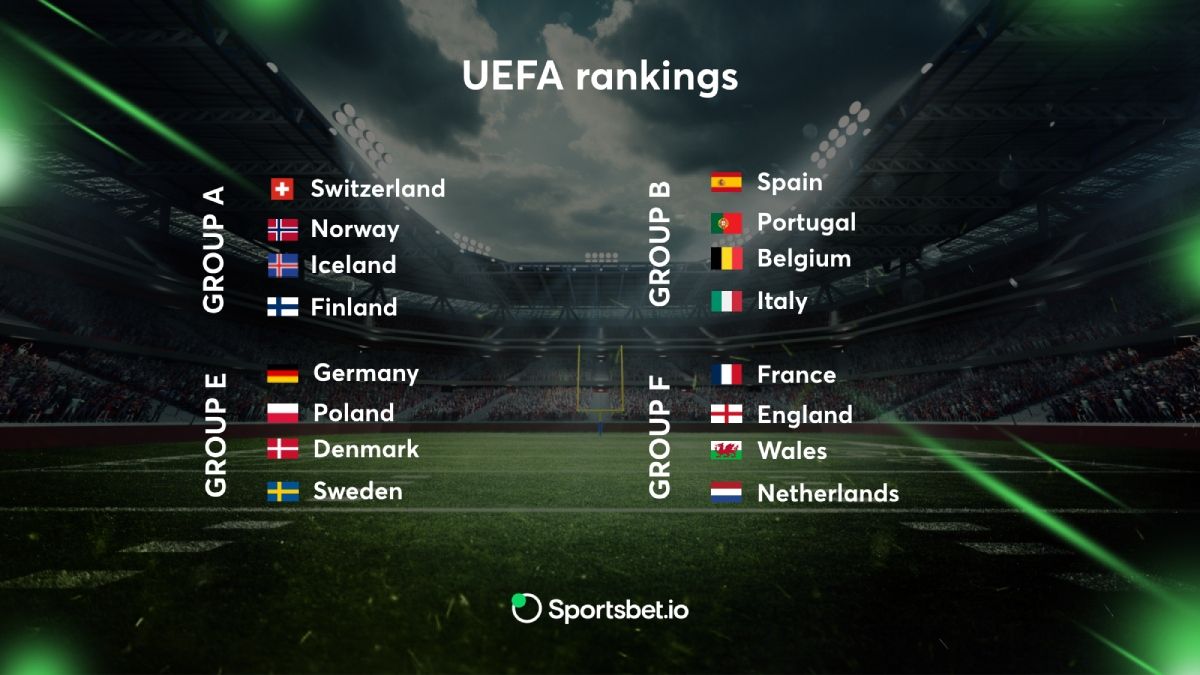
The UEFA Women’s Euro 2025 is set to be a major highlight in the football calendar, shining a spotlight on the continued growth of the women’s game. Scheduled from July 2 to 27, 2025, this 14th edition of the tournament will be hosted across eight cities in Switzerland.
The UEFA Women’s Euro 2025 will feature 16 top national teams and is expected to draw over 550,000 fans across Switzerland. More than just a tournament, it’s a celebration of how far women’s football has come. As global support for women’s sports continues to grow, this edition of the Women’s Euros is set to make a lasting impact.
The skills, the fans, and the level of play are better than ever. Significant progress has been made in developing the facilities, showcasing the games on TV, and demonstrating to the world that women’s football enjoys strong support.
1984: The starting line
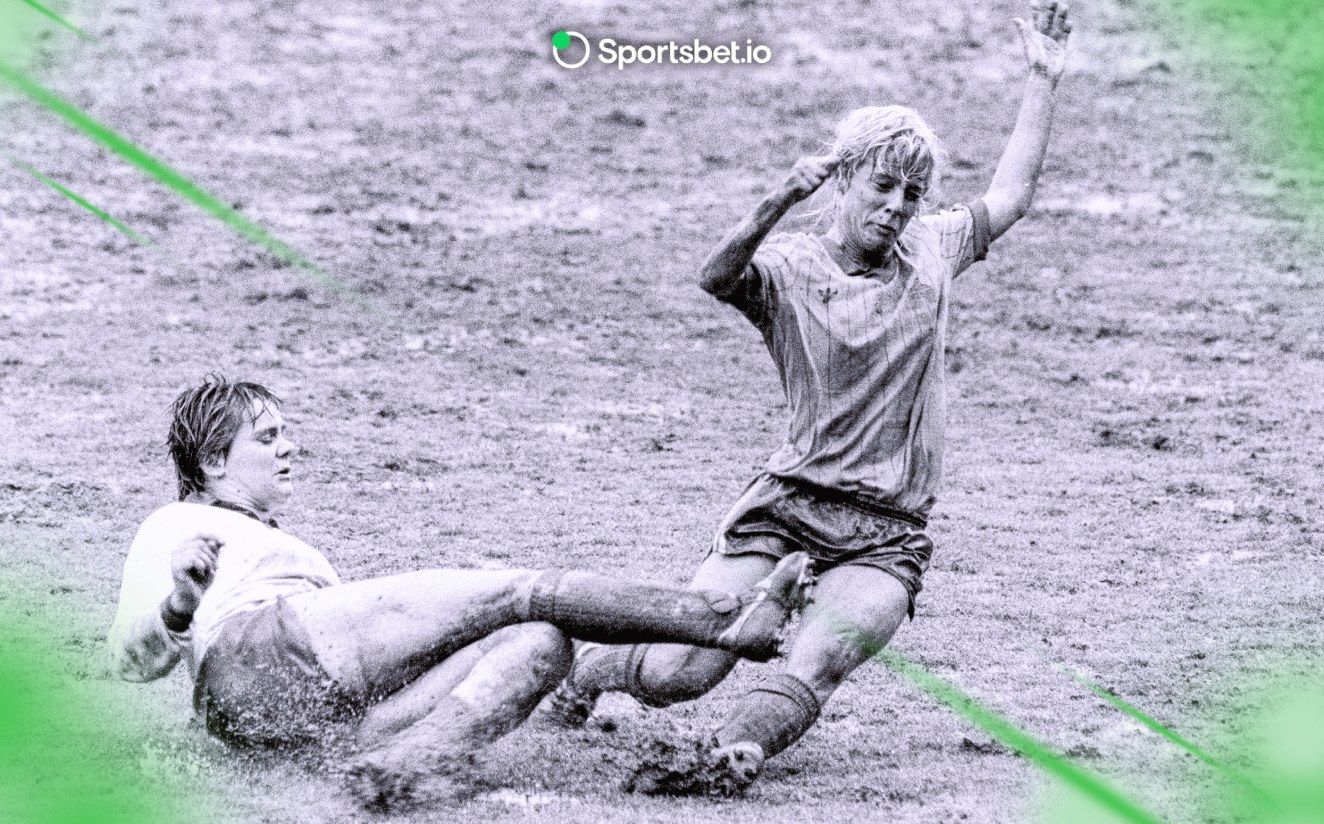
The first women’s Euro was in 1984. Only four teams played, and not many people watched. Games were held in small stadiums, and the sport still had to fight to be seen and heard.
Media coverage was sparse, and few people outside the host countries were aware of the tournament. Most players were amateurs, juggling jobs and training. They played for the love of the game, with little pay or support.
Resources were limited, and sponsorships were rare; teams often struggled to find proper kits and training gear. Visuals from this time tell a powerful story. Black-and-white photos capture the grit and joy of early matches, showing modest stadiums filled with passionate fans.
The players wore simple kits, yet their spirit shone through. This starting line, though humble, set the stage for a journey that would change the game forever.
Celebrating progress: Milestones in growth
Since Euro 1984, women’s football has grown with heart, skill, and pride. Each year brought new wins, both on and off the pitch. Here’s a look at the milestones of UEFA Women’s Euro through the years:
1997: Rising Visibility
In 1997, the game took a bold step forward. For the first time, eight teams competed in the final tournament of UEFA Women’s Euro. France, Spain, and Russia also made their debut, showing how fast the sport was growing. The 1997 tournament brought more teams, more visibility, and growing support from fans across the continent. From this moment forward, the women’s game was no longer on the sidelines—it was rising, reshaping the future of European football.
2005: Growing Crowds and Rising Media Interest
In summer 2005, the world turned its gaze to the north of England for the UEFA Women’s Euro. This was the first time crowds came in big numbers. A total of 117,384 fans filled the stands, and more than three and a half million tuned in to watch the games on TV.
The final tournament featured eight national teams, including debutants Finland, as media interest reached new heights. Germany proved their might, celebrating their third consecutive win (1997, 2001, and 2005), but it was more than wins and goals.
The 2005 Women’s Euro sparked true change, showing a glimpse of what could be: packed seats, prime-time play, and players who thrilled the crowd. For the first time, the media came strong. The fans came loudly, and the world began to watch.
2013: A Showcase of Growing Professionalism
By 2013, women’s football had grown far beyond its early days. For the first time, the eyes of the world were locked on the pitch with fans tuning in across Europe and beyond. Twelve teams battled for glory, chosen from a pool of 44 nations.
The road to the finals in Sweden was tough, and each squad came sharp. This was the last time the finals would host twelve teams — a mark of how fast the game was rising. Germany, once again, stood tall. They beat Norway in the final, claiming their sixth win in a row.
What made Euro 2013 stand out wasn’t just the play — it was growth. There was a new edge to the teams: more focus, more support, more pride. Clubs and coaches were stepping up. Fitness, prep, and gear now matched the men’s game in many ways.
2017 to 2022: Record-Breaking Viewership
In 2017, the Netherlands lit up the pitch as hosts. For the first time, 16 teams took part in the games. The crowds were loud, the games were tight, and the world watched with new eyes.
Germany’s long reign ended in the quarter-finals, falling to Denmark in a shock upset as the games became tighter. New teams also joined with Austria, Belgium, Portugal, Scotland, and Switzerland, making their Euro debut — proof that more nations were ready to shine.
Then came 2022, wherein the Women’s Euro was hosted by England and became the most-watched Women’s Euro in history. It used a video assistant referee (VAR) and goal-line tech, marking how far the sport had come in skill and setup.
The UEFA Women's Euro player evolution
In the early days, players in the UEFA Women’s Euro were often amateurs. They balanced day jobs with their passion for football. Many worked in schools, offices, or shops, squeezing in training sessions whenever they could.
Their love for the game drove them to play, even if it meant long hours and little pay. As time passed, the landscape began to change. Today, players are fully professional athletes. They train hard, focus on their skills, and compete at the highest level.
With global recognition, stars like Victoria Svensson (Sweden) and Birgit Prinz (Germany) have become household names. Their success has inspired many young girls to dream big. The shift from amateur to professional has brought more resources, better training, and more recognition.
Now, women’s football is celebrated, with players receiving the respect they deserve. This evolution highlights not just the growth of the sport but also the rise of powerful role models who have paved the way for future generations.
Spotlight on her: UEFA Women's Euro media buzz
The media paid little attention to women’s football in the past. Coverage was rare, with only a few articles or short clips on local news. Fans had to search hard to find highlights or updates. The games often went unnoticed, leaving players without the fame they deserved.
Now, the UEFA Women’s Euro attracts extensive media buzz. Major networks broadcast the matches live, reaching millions of viewers. Streaming deals make it easy for fans to watch games from anywhere in the world.
Social media has also changed the game. Players share their journeys on social media platforms, connecting with fans in real time. This shift has brought new fans, sponsors, and support for women’s football, showcasing the talent and passion of the players like never before.
The spirit of UEFA Women's Euro
What was once a niche sport with a small fan base has grown into a vibrant movement. Today, women’s football attracts fans from all walks of life, uniting people through their love for the game.
Stadiums now fill with cheers, colourful flags, and passionate fans. Fan culture has also become more inclusive and impactful. Groups of supporters create chants and displays, showing pride for their teams. They not only support their teams but also advocate for equality in sports.
Lasting change: UEFA Women's Euro impact and legacy
The rapid growth of women’s football has sparked significant cultural shifts, promoting greater equality and diversity within the sport and beyond. More people now see women’s football as a vital part of the sports world, not just an afterthought.
This rise has led to greater investment in women’s teams and leagues. Sponsors are stepping up, providing funds for better training, facilities, and promotions. This support empowers players, giving them the tools to excel and inspiring young girls to pursue their dreams in sports.
The success of UEFA Women's Euro has also opened doors for discussions about gender equality. It challenges old views and shows that women can achieve great things in sports and beyond, standing as a symbol of hope and change.
It shows that with hard work and support, barriers can be broken. The game continues to inspire future generations, proving that women’s football is here to stay, shaping a brighter future for all.
Looking ahead: 2025 and beyond
The UEFA Women’s Euro 2025 is the 14th edition of the tournament and is set to be a landmark event, taking place from July 2 to 27 in Switzerland. With 16 competing teams in eight venues across the country, the tournament is expected to receive over 550,000 attendees.
The excitement around the 2025 Euro will continue to build on the momentum from previous years, drawing in new supporters and sponsors, but it won’t stop there. As women’s football continues to grow, the future looks promising. With strong support, investment, and a global fan base, the sport is poised for even greater achievements in the years to come.
Bet on the UEFA Women’s Euro at Sportsbet.io
Experience the thrill of the 2025 UEFA Women’s Euro at Sportsbet.io. Bet on your favourite teams with Tether (USDT) and other popular coins like Bitcoin (BTC) for faster and more secure transactions. You can also download our mobile app to wager on the go and claim bonuses and promos for a head start.
DISCLAIMER
The information provided by the blog above on Sportsbet.io is for general information purposes only. All information on the Site is provided in good faith, however, we make no representation, warranty, or guarantee of any kind, express or implied, regarding the accuracy, adequacy, validity, reliability, or completeness of any information or betting tips on the Site.